
कैसे नई श्रम संहिताएं भारत के निर्यात क्षेत्र में गति ला रही हैं
[ad_1] प्रकाशन तिथि: 30 नवंबर 2025 लेखक: Neoyojana Economy Deskभारत ने 21 नवंबर 2025 को एक ऐतिहासिक फैसला लिया — देश के 29 पुराने, जटिल और अक्सर विवादास्पद श्रम कानूनों को समाप्त कर चार एकीकृत श्रम संहिताएँ (Labour Codes) लागू कर दी हैं। :contentReference[oaicite:0]{index=0} ये संहिताएँ — वेतन संहिता, औद्योगिक संबंध संहिता, सामाजिक सुरक्षा संहिता और व्यावसायिक सुरक्षा & कार्य-स्वास्थ्य संहिता — न सिर्फ श्रमिकों को बेहतर सुरक्षा दे रही हैं, बल्कि भारत के निर्यात-उन्मुख उद्योगों के लिए भी एक नया अवसर लेकर आई हैं। चलिए देखें कि ये reforms किस तरह से निर्यात क्षेत्र की गति (Export Growth) को मजबूत कर सकती हैं।
- 🔧 नई श्रम संहिताओं में क्या बदलाव हुआ है?
- 📈 श्रम सुधार और निर्यात वृद्धि — कैसे जुड़े हैं?
- 🌍 Global Context — क्यों समय था labour laws सुधार का?
- 📌 इससे कौन-कौन लाभान्वित होंगे?
- ⚠️ चुनौतियाँ और ध्यान देने योग्य बातें
- 📣 सरकार और उद्योगों के लिए सुझाव
- 🔮 आगे की राह — भारत 2047 और beyond
- श्रम संहिताएं निर्यात वृद्धि – ताज़ा अपडेट
- सवाल–जवाब
- 🔧 नई श्रम संहिताओं में क्या बदलाव हुआ है?
- 📈 श्रम सुधार और निर्यात वृद्धि — कैसे जुड़े हैं?
- 🌍 Global Context — क्यों समय था labour laws सुधार का?
- 📌 इससे कौन-कौन लाभान्वित होंगे?
- ⚠️ चुनौतियाँ और ध्यान देने योग्य बातें
- 📣 सरकार और उद्योगों के लिए सुझाव
- 🔮 आगे की राह — भारत 2047 और beyond
- श्रम संहिताएं निर्यात वृद्धि – ताज़ा अपडेट
श्रम संहिताएं निर्यात वृद्धि से जुड़ी यह महत्वपूर्ण खबर पढ़ें।
🔧 नई श्रम संहिताओं में क्या बदलाव हुआ है?
पिछले कई दशकों में लागू पुराने श्रम कानून — जो औपनिवेशिक या मध्य-पीढ़ी के थे — भारत की बदलती आर्थिक व global trade realties के अनुकूल नहीं थे। इनकी जटिलता, विभिन्न राज्यों में भिन्नता और compliance-बोझ के कारण manufacturing व export units अक्सर प्रभावित हो रही थीं। नई संहिताओं के तहत —
- सभी श्रमिकों के लिए राष्ट्रीय न्यूनतम वेतन (National Floor Wage) तय किया गया है। :contentReference[oaicite:1]{index=1}
- Fixed-term / contract / gig / platform workers को social security, ग्रेच्युटी, वेतन सुरक्षा, fair working conditions जैसे अधिकार मिले हैं। :contentReference[oaicite:2]{index=2}
- कामगारों के लिए स्वास्थ्य, सुरक्षा, working conditions, overtime, maternity / night-shift benefits आदि पर unified, modern standards लागू हुए हैं। :contentReference[oaicite:3]{index=3}
- Administrative compliance सरल हुआ है — licensing, registration, labour inspections, dispute resolution आदि streamlined हुए हैं। :contentReference[oaicite:4]{index=4}
इन सुधारों का उद्देश्य है — भारत में formal employment को बढ़ावा देना, manufacturing competitiveness को बढ़ाना, और निवेशकों के लिए स्पष्ट, predictable labour-regime बनाना। :contentReference[oaicite:5]{index=5} इसके साथ ही, export-oriented industries — जैसे टेक्सटाइल, गारमेंट्स, मैन्युफैक्चरिंग — के लिए cost, compliance और workforce management के मामले आसान होंगे।
📈 श्रम सुधार और निर्यात वृद्धि — कैसे जुड़े हैं?
कई शोध और व्यापार-विश्लेषण यह संकेत देते हैं कि when labour regulations are flexible yet protective, manufacturing firms gain competitiveness — जिससे exports बढ़ सकते हैं। :contentReference[oaicite:6]{index=6} विशेष रूप से:
- कम compliance-cost + सरल hiring/firing mechanisms: इससे export units जल्दी production scale-up/down कर सकती हैं, seasonal demand के हिसाब से workforce manage कर पाती हैं — जिससे global orders समय पर पूरे होते हैं।
- Secure labour environment: Workers को न्यूनतम वेतन, social security, सुरक्षित काम की शर्तें मिलने से उनकी productivity व workmanship बेहतर होती है। इससे products की quality बेहतर होती है — जो exports के लिए crucial है।
- Formalization & traceability: Export units, especially textile/garments, global buyers के लिए compliance, ethical sourcing, labour standards meeting में सक्षम होंगे — जिससे उनकी international competitiveness बढ़ेगी।
- Investment आकर्षण: बेहतर labour laws + stability + ease of doing business से domestic व foreign investment बढ़ेगी — जिससे इकाइयाँ expand होंगी, exports बढ़ेंगे।
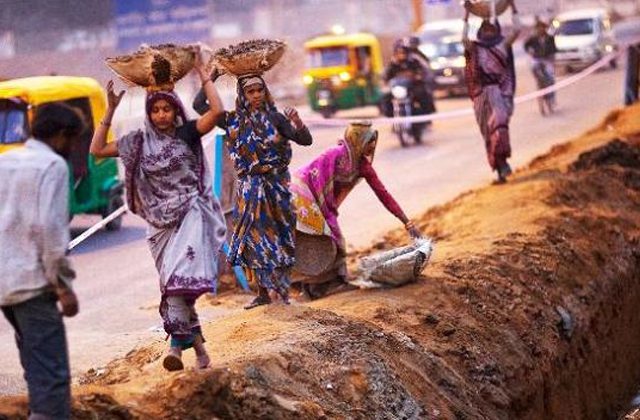
वास्तव में, भारत के textile sector — जो MSME आधारित है और व्यापक श्रमिक workforce पर depend करता है — इस reform से सबसे अधिक लाभान्वित हो सकता है। नई संहिताओं से textile exporters को labour-cost predictability, safety compliance, labour flexibility, और export-order fulfillment में आसानी मिलेगी। :contentReference[oaicite:7]{index=7}
🌍 Global Context — क्यों समय था labour laws सुधार का?
दुनिया बदल रही है — global buyers अब सिर्फ price नहीं बल्कि ethical sourcing, labour standards, worker safety, environmental compliance</strong देख रहे हैं। भारत अगर पुरानी, outdated labour laws से चलता रहेगा — तो इसे international competitiveness में disadvantage था। नई संहिताओं से compliance standardized, transparency बढ़ी — जिससे भारत global supply-chains में अपनी जगह फिर से मजबूत कर सकता है। यह बदलाव, global trade liberalisation और manufacturing export boom के लिए सही समय पर आया है। :contentReference[oaicite:8]{index=8}
📌 इससे कौन-कौन लाभान्वित होंगे?
- Workers / श्रमिक: secure wages, social security, safer working conditions, job flexibility, contract workers को benefits।
- Export-oriented industries (textile, garments, manufacturing): कम compliance burden, flexibility, production scaling, बेहतर export-order execution।
- नियोक्ता / Investors: predictable regulatory environment, ease of doing business, expansion & investment के लिए incentives।
- देश की अर्थव्यवस्था: export growth → foreign exchange, employment generation, manufacturing boost → GDP में योगदान।
⚠️ चुनौतियाँ और ध्यान देने योग्य बातें
हालाँकि labour reforms में कई फायदे हैं — पर सफल परिणाम तभी आएँगे जब implementation सही रहे। कुछ चुनौतियाँ हो सकती हैं:
- कई छोटे उद्योगों या MSME में initial compliance cost बढ़ सकता है — जैसे social security contributions, record keeping।
- किसानों या खुले, असंगठित क्षेत्र में काम करने वालों को reforms तक पहुंच सुनिश्चित करना होगा।
- कर्मचारी unions की आपत्तियाँ; retrenchment flexibility का गलत इस्तेमाल।
- International buyers जो social audits, fair-trade आदि देखते हैं — उन्हें ये reforms तुरन्त भरोसा नहीं दिला सकते; actual ground-level compliance दिखानी होगी।
📣 सरकार और उद्योगों के लिए सुझाव
अगर भारत चाहता है कि ये reforms निर्यात-वृद्धि में वास्तविकता बनें — तो:
- Export-oriented clusters (textile parks, apparel hubs) में labour reforms के प्रशिक्षण + awareness अभियान।
- MSME और small exporters को सरल compliance tools + subsidies/financial support देना।
- Worker welfare & safety norms को strictly implement करना; social security, minimum wage, overtime आदि की गारंटी देना।
- Export products के लिए global certifications (fair labour, sustainability, compliance) को बढ़ावा देना।
- Trade policy + export incentives (PLI schemes, tax benefits) + labour reforms का समन्वित पॉलिसी ढांचा।
🔮 आगे की राह — भारत 2047 और beyond
अगर reforms को सही से लागू किया गया, तो 2030 तक भारत manufacturing-led export powerhouse बन सकता है। विशेष रूप से textile, garments, leather, consumer-goods, engineering goods आदि क्षेत्रों में competitive advantage मजबूत होगा। Formalization, worker welfare, flexibility और global compliance से India global supply chains का भरोसेमंद केंद्र बन सकता है। भारत का श्रम सुधार + export growth + आत्मनिर्भरता (Atmanirbhar Bharat) — ये तीनों लक्ष्य मिलकर देश की अर्थव्यवस्था को नई ऊँचाइयाँ दे सकते हैं।
[ad_2] Source & References: PIB – Factsheet on Labour Codes, Economic Times – New Labour Codes Explained, Reuters – Labour Law Overhaul 2025, IdeasForIndia – Labour Laws & Export Competitiveness 📍 और पढ़ें: अर्थव्यवस्था व व्यापार विश्लेषणश्रम संहिताएं निर्यात वृद्धि – ताज़ा अपडेट
संक्षेप में: श्रम संहिताएं निर्यात वृद्धि से जुड़े महत्वपूर्ण बिंदु ऊपर दिए गए हैं।
सवाल–जवाब
इस खबर का मुख्य मुद्दा क्या है?
यह लेख श्रम संहिताएं निर्यात वृद्धि विषय पर नवीनतम और तथ्यात्मक अपडेट प्रस्तुत करता है।
अगला आधिकारिक अपडेट कब मिलेगा?
जैसे ही आधिकारिक सूचना आएगी, यह लेख अपडेट किया जाएगा।
संक्षेप में: श्रम संहिताएं निर्यात वृद्धि से जुड़े महत्वपूर्ण बिंदु ऊपर दिए गए हैं।